Download Your Free Half Marathon Training Guide PDF
Grab your free, downloadable PDF of our comprehensive half‑marathon training guide. Inside you’ll find 15 beginner, intermediate, and advanced plans, a pace chart, glossary, and motivational tips. No email required—click the link and start training today! Download and transform your running journey! .

Understanding the Half Marathon Distance
Understanding the half marathon means mastering 13.109 miles (21.097 km). It’s a 42‑kilo‑meter race, requiring stamina, pacing, and nutrition. Learn how to break it into manageable segments, plan hydration, and set realistic finish goals; The guide covers strategies, injury prevention, and race logistics!
Distance in Miles and Kilometers
When you first hear “half marathon,” the numbers can feel abstract. In reality, the race covers exactly 13.1094 miles, which translates to 21.0975 kilometers. That 13‑mile stretch is the exact half of a full marathon (26.2188 miles/42.195 km). For runners who rely on metric units, the 21.0975 km figure is the most commonly cited. To convert miles to kilometers, multiply by 1.60934; to convert kilometers to miles, divide by 1.60934. This simple formula lets you quickly verify the official distance on any course map or GPS device. Many training apps and watch displays now show both units side by side, but the core distance remains unchanged. Knowing the exact figure helps you set realistic pace goals, plan fueling stops, and compare race times across international events. Whether you’re a seasoned runner or a beginner, understanding that the half marathon is precisely 13.1094 miles/21.0975 km is the first step toward a successful race strategy.
Half marathon training also demands attention to recovery. Adequate sleep, stretching, and foam rolling help prevent injuries. Listening to your body and adjusting mileage based on fatigue levels keeps you healthy. Additionally, practicing race‑day nutrition—carb gels, electrolytes, and a balanced breakfast—ensures steady energy. Finally, mental preparation, such as visualization and positive self‑talk, builds confidence for the final miles. Remember, consistency beats intensity; trust the plan and enjoy journey.
Typical Race Day Requirements
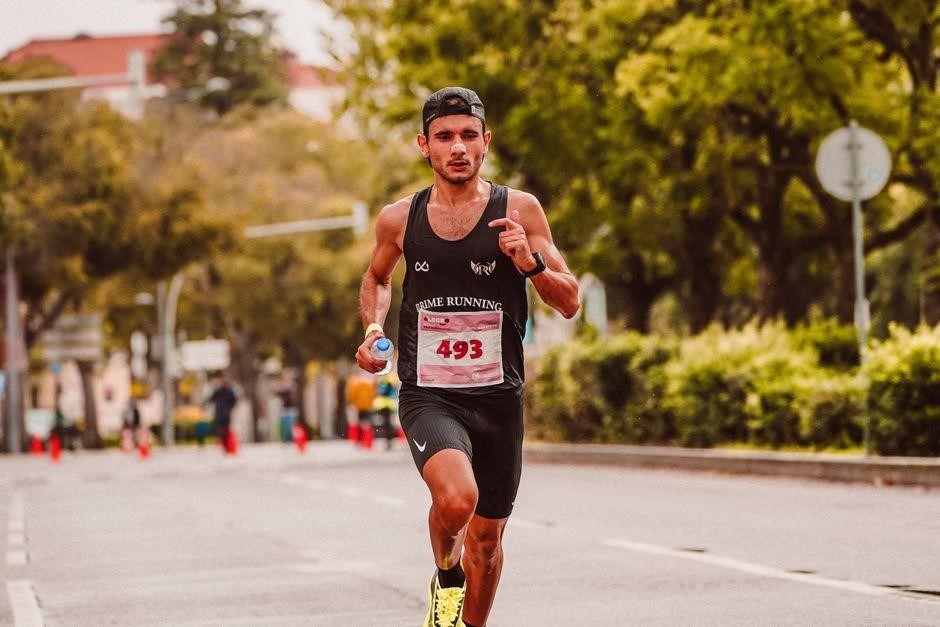
Race day is the culmination of weeks of training, and every detail counts. Start with a solid pre‑race routine: wake early, have a carb‑rich breakfast (oatmeal, banana, toast), and hydrate with water and a splash of electrolytes. Arrive at the start line at least 60 minutes early to check in, warm up, and mentally prepare. A dynamic warm‑up—leg swings, high knees, butt kicks—gets blood flowing and primes the muscles for the 13.1094‑mile effort. Pack a race kit that includes a lightweight running jacket, a hat or visor, sunglasses, a small towel, and a race belt with a water bottle or hydration pack. Bring a nutrition plan: gels or chews every 45 minutes, a small snack at the 10‑mile mark, and a post‑race recovery drink. Know the course map; identify aid stations, turns, and any hills. Set a realistic pace target based on training splits, and use a GPS watch or phone app to keep track. Stay hydrated by sipping water at each station, but over‑drinking is avoided—aim for 500–700 ml per hour. Keep a mental checklist: focus on breathing, maintain a steady rhythm, and use positive self‑talk. After the finish, cool down with light jogging, stretch, and refuel with protein and carbs. Celebrate the achievement, but remember to rest and recover properly.
Remember, consistency beats intensity. Listen to your body, respect the plan, and celebrate every milestone. A well‑planned race day, paired with confidence and a supportive community, turns the half marathon into a memorable triumph. Every stride takes you closer to your best

Choosing the Right Training Plan
Choose a plan that matches your fitness level, goals, and schedule. Beginners need 16‑week, intermediate 12‑week, advanced 8‑week plans. Match mileage, rest days, and intensity. A coach‑designed PDF offers weekly splits, pace charts, and safety tips. Download the PDF now to access workouts and progress OK.
Beginner 16-Week Plan
Our 16‑week beginner plan eases you into half‑marathon training with a balanced mix of easy runs, a weekly long run, and rest days. Each week builds mileage gradually, ensuring you gain endurance without overtaxing your body. The schedule includes:
- 3–4 running days per week, spaced to allow recovery.
- Weekly long run starting at 4 km, increasing by 1 km each week.
- Cross‑training or active recovery on non‑run days.
- Rest day every Sunday to reset.
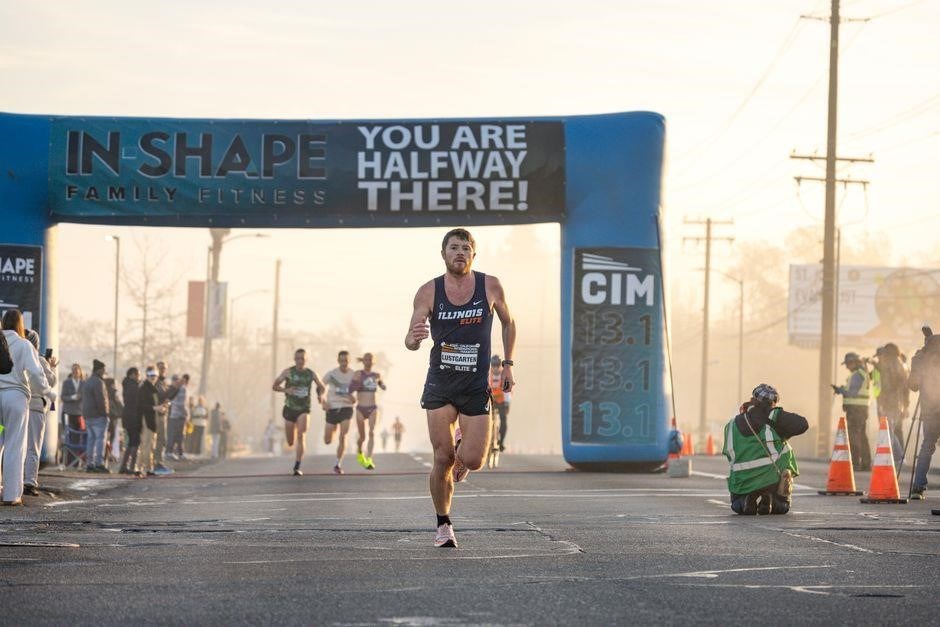
Key features: a clear pace chart, a glossary of terms, and motivational notes to keep you focused. The PDF also offers injury‑prevention tips, such as core strengthening and stretching routines. By following this plan, you’ll finish the half‑marathon with confidence and a solid foundation for future races.
During the first four weeks, focus on establishing a consistent running rhythm. Aim for 3–4 short sessions, each lasting 20–30 minutes, to build aerobic base. Gradually add a 5‑minute jog after each run to ease into longer distances. Use the rest days for mobility work, such as foam rolling and gentle yoga, to keep muscles supple. As weeks progress, the long run will extend to 10 km by week 8, then 12 km by week 12, and 15 km by week 16. Incorporate tempo runs once a week to improve lactate threshold, and keep one easy run each week to maintain volume without excessive fatigue. Remember to hydrate before, during, and after runs, and to consume a balanced diet rich in carbohydrates, proteins, and healthy fats. Listen to your body; if pain arises, reduce mileage or add an extra rest day. By final week, tackle the 21.097 km course with confidence and a sense of achievement.
Intermediate 12-Week Plan
Designed for runners who have a solid base, the 12‑week intermediate plan ramps up mileage and intensity to sharpen speed and stamina. The schedule features 4–5 running days per week, a progressive long run, tempo sessions, and interval work. Each week builds by roughly 10‑12% to avoid injury while pushing performance. Cross‑training or active recovery is scheduled on non‑run days to enhance flexibility and core strength.
The plan starts with a 5‑km easy run and a 10‑km long run, then adds 1–2 km each week. Tempo runs at a “comfortably hard” pace appear every other week, while interval sessions (400‑m repeats, 800‑m repeats, or hill repeats) appear on the third run day. A rest day follows the long run, and a light jog or walk caps off the week. The final week reduces mileage to allow full recovery before race day.
Key features include a detailed pace chart, a glossary of running terms, and motivational tips to keep you focused. The downloadable PDF also offers injury‑prevention advice and nutrition guidance. By following this plan, you’ll finish the half‑marathon with confidence, a stronger aerobic base, and a faster time.
Throughout the 12‑week cycle, mileage peaks at 90 km in week 10, then tapers to 70 km in week 12 to allow full recovery. The plan emphasizes consistent tempo pacing, with each long run incorporating a 5‑km mid‑run tempo segment. Recovery jogs are kept under 30 min to promote blood flow without fatigueand stretch daily for recovery!
Advanced 8-Week Plan
For seasoned runners, the 8‑week advanced plan focuses on speed, race‑specific tempo, and strategic long runs. The schedule includes 5 run days per week, with a peak long run of 30 km, interval sessions (400‑m, 800‑m, 1‑km repeats), and a weekly tempo run at goal‑race pace. Cross‑training is minimal, emphasizing recovery walks and light mobility work.

Week 1 begins with a 10‑km easy run, a 12‑km long run, and a 5‑km tempo. Subsequent weeks add 2‑3 km to the long run, introduce 800‑m repeats, and incorporate a hill workout for strength. The final two weeks taper, reducing mileage by 20‑30% while maintaining intensity to keep legs sharp.
Key features: a detailed pace chart, a glossary of advanced terms, and injury‑prevention strategies. The downloadable PDF also offers nutrition timing for race day and mental‑focus drills. Follow this plan to finish the half‑marathon with a sub‑1:30 finish or to set a new personal best.
The plan’s weekly mileage climbs from 45 km in week 1 to 75 km in week 10, then tapers. Each long run includes a 10‑km tempo segment at goal‑race pace. Recovery runs stay under 8 km, keeping the body primed for the next effort.
Strength training sessions—core, glutes, and hips—are scheduled twice weekly to reduce injury risk and improve running economy. A 20‑minute strength circuit on Tuesdays and a 30‑minute mobility routine on Saturdays complement the running workload, ensuring balanced development.
Race‑day nutrition: a carb gel at 10 km, a banana at 20 km, and a recovery drink after.
Run!

Weekly Training Schedule Breakdown
Run days: Mon, Wed, Fri, Sun. Distances: 5–12 km, 8–18 km, 5–12 km, 10–20 km. Cross‑train on Tue & Thu: cycling or swimming. Rest on Sat. Weekly mileage peaks at 70 km, tapering 20% in final week. Includes tempo, intervals, and long runs. Enjoy the journey! Start.
Run Days and Distances
In a typical half‑marathon training cycle, runners schedule four dedicated run days each week: Monday, Wednesday, Friday, and Sunday. Monday’s session is a short, easy run of warm up the body after the weekend. Wednesday’s run ramps up to 8 km (5 mi) and often incorporates a tempo segment at 80‑85 % of maximum heart rate to build lactate tolerance. Friday’s mileage mirrors Monday’s 5 km but may include a few strides or a short interval set to sharpen speed. Sunday’s long run is the cornerstone of the plan, starting at 10 km (6.2 mi) in week one and progressively extending to 20 km (12.4 mi) by week twelve. The long run’s pace is deliberately slower—about 10‑15 % slower—than the goal race pace—to develop aerobic endurance and mental resilience. Throughout the program, the total weekly mileage peaks around 70 km (43 mi) during the mid‑training phase and then tapers by 20 % in the final two weeks to allow full recovery before race day. This structure balances volume, intensity, and recovery, ensuring that each run day serves a distinct purpose in preparing the athlete for the half‑marathon distance.

Additionally, many plans incorporate a tempo run of 5 km at 85‑90 % effort 3‑km hill repeat for strength,2‑km easy jog for active recovery. A weekly mileage cap of 70 km is common with a 10‑percent reduction during the final two weeks to prime the body for race day. Listening to your body staying hydrated getting adequate sleep are essential for injury prevention and peak performance. Stay.
Cross-Training and Rest Days
Cross‑training and rest days are as vital as the hard runs in a half‑marathon program. They reduce injury risk, improve overall fitness, and allow the body to adapt to increased mileage. A typical schedule includes two cross‑training sessions on Tuesdays and Saturdays, each lasting 45‑60 minutes. Popular choices are low‑impact cardio such as cycling, rowing, or elliptical training, which maintain cardiovascular fitness without the repetitive shock of pounding pavement. Strength training on Tuesdays focuses on core stability, glute activation, and leg power—using body‑weight circuits, resistance bands, or light free‑weights. On Saturdays, a longer, steady‑state session of 30‑45 minutes of swimming or a brisk walk can enhance recovery while still stimulating the aerobic system.
Rest days, usually on Thursdays and Sundays (after the long run), are non‑running days dedicated to active recovery. Light stretching, foam‑rolling, or a gentle yoga flow helps to release muscle tension and improve flexibility. Adequate sleep, hydration, and a balanced diet complement these rest periods, ensuring glycogen stores are replenished and inflammation minimized. By integrating structured cross‑training and intentional rest, runners build a resilient body capable of sustaining the demands of a half‑marathon and reducing the likelihood of overuse injuries.
In addition, scheduling a full rest day on the weekend allows the nervous system to recover, while a light mobility session on the other rest day can prevent stiffness. Consistency in these practices builds a robust foundation for race day confidence.
Training boosts stamina!

Key Training Elements
Long runs build endurance, speed work sharpens pace, hill sessions boost leg power, and rest days recover. A balanced mix of these elements, guided by a PDF plan, ensures steady progress toward a strong half‑marathon finish. Consistency and recovery are key. Keep on
Long Runs and Pace Strategy
Long runs are the backbone of half‑marathon training, teaching your body to sustain effort over distance. Start each long session at a comfortable, conversational pace—typically 1–2 minutes slower than your goal race pace. Gradually increase mileage each week, adding no more than 10% to avoid injury. On the last two weeks before race day, taper by reducing volume but maintaining intensity: run a few miles at race pace and finish with a short burst to keep the legs sharp. Use a GPS watch or a reliable app to track pace; aim for a steady progression, allowing for slight variations on hills or windy days. Incorporate a “negative split” strategy: run the first half slightly slower, then pick up the tempo in the second half. This approach conserves energy, reduces lactic acid buildup, and often leads to a stronger finish. Combine long runs with a recovery jog or cross‑training on rest days to promote blood flow and muscle repair. Remember to hydrate and fuel properly during long sessions—consume electrolytes and a carbohydrate source every 45–60 minutes. Finally, listen to your body: if you feel sharp pain or persistent fatigue, cut back and consult a professional. Consistency, pacing, and recovery together form the cornerstone of a successful half‑marathon. Training consistency builds confidence and resilience, ensuring you cross the finish line with pride. Remember to listen to your body; rest when needed to avoid overtraining and injuries. Hydration and nutrition during training mirror race day demands, so practice fueling strategies now.
Speed Work and Interval Training
Speed work sharpens your running economy and boosts VO₂ max, essential for a strong half‑marathon finish. Begin each interval session with a 10‑minute warm‑up jog, followed by dynamic stretches. Choose intervals that match your current fitness: 400‑m repeats at 5K pace, 800‑m at 10K pace, or 1‑km at half‑marathon pace. Rest intervals should be equal to or slightly longer than the effort time—e.g., 400‑m run, 400‑m jog. Aim for 4–6 repeats per session, increasing either repeat count or intensity every 2–3 weeks. Incorporate tempo runs once a week: 20‑30 minutes at a “comfortably hard” pace, roughly 25–30 seconds slower than your target race pace. Hill repeats add strength: sprint 30‑second uphill bursts, jog back down, repeat 6–8 times. Hydrate with electrolytes and consider a protein shake within 30 minutes post‑run to aid muscle repair. Schedule speed workouts on hard days, ensuring at least 48 hours of recovery before the next hard session. This structure promotes adaptation without compromising endurance. Remember, the goal of speed work is not just faster times but improved running economy, allowing you to finish the half‑marathon with confidence and less fatigue. Stay focused!
Hill Workouts for Strength
Hill training is a cornerstone of half‑marathon preparation, building power, improving stride mechanics, and enhancing cardiovascular capacity. Start by locating a moderate incline—ideally 4–6% grade and 200–300 meters long. Warm up with 10 minutes of easy jog, then perform 6–8 uphill repeats at a hard effort, maintaining a steady cadence and a slightly shorter stride to preserve form. Rest by jogging back down for 2–3 minutes, allowing heart rate to recover before the next climb. As you progress, increase either the number of repeats or the hill length, but never exceed 12 repeats to avoid overtraining. Incorporate a hill‑sprint session once a month: sprint 30–45 seconds uphill at maximum effort, then recover fully on the descent. This explosive work boosts fast‑twitch fibers and improves lactate clearance. For endurance, add a long, slow hill run: 20–30 minutes at a moderate pace, focusing on maintaining a consistent effort on the incline. Combine hill sessions with flat tempo runs to balance strength and speed. Post‑workout, stretch calves, hamstrings, and quads, and consider foam rolling to aid recovery. Consistency in hill training translates to stronger legs, better posture, and a more resilient stride on race day.
Hill workouts also serve as a mental training tool. Facing a steep incline forces you to focus on breathing, posture, and rhythm—skills that carry over into the final miles of a half‑marathon. Track your hill sessions in a training log, noting distance, time, perceived effort, and any pain signals. Over weeks, you’ll notice a drop in perceived effort for the same hill, indicating adaptation. Pair hill training with strength exercises—lunges, step‑ups, and single‑leg deadlifts—to further stabilize the glutes and core. Finally, schedule hill sessions on days when you have ample recovery time, ensuring you’re fresh for long runs and speed work. By integrating hills into your weekly plan, you’ll develop the muscular endurance and confidence needed to conquer the half‑marathon course.
Remember to listen to your body; if you feel sharp pain or excessive fatigue, reduce hill volume or intensity. Gradual progression is key to preventing injury and maximizing performance.
Fueling for a half‑marathon demands a carbohydrate‑rich diet that fuels glycogen stores and sustains energy. Aim for 55–60 % of calories from complex carbs—whole grains, legumes, fruits, and vegetables—while keeping protein at 15–20 % to aid muscle repair. Healthy fats, such as nuts, seeds, and olive oil, support joint health and provide dense energy. Hydration strategy begins weeks before the race: drink 500–750 ml of water daily, and during long runs consume 150–250 ml every 15 minutes. For runs over 90 minutes, add electrolyte‑enriched drinks to replace sodium and potassium. On race day, start with 500 ml of water 2 hours before the start, then sip 200–300 ml every 20 minutes. Post‑race recovery should include a shake with 20–25 g protein and 50–60 g carbs to replenish glycogen. Pre‑race meals should be familiar, carb‑heavy, and low in fiber—oatmeal with banana or a turkey sandwich works well. During the race, consume energy gels or chews every 45 minutes, especially in hot or hilly courses. Supplementation can be tailored: a daily multivitamin, vitamin D, and omega‑3s support overall health, while iron supplementation may be needed for deficient runners. Always test new supplements during training to avoid gastrointestinal upset on race day. Maintain a food and hydration log to track timing, volume, and how you feel, adjusting portions based on weather and training load. Consistent, well‑planned nutrition and hydration keep energy steady, reduce fatigue, and help finish strong. Stay hydrated, run!!