
Guiding Principles for Medication Management in the Community: A Comprehensive Plan
Guiding principles promote quality medicine use and medication management within the community, supporting health and well-being through safe, effective practices and adherence.

These principles encompass legislative requirements, professional partnerships, and patient-centered care, ensuring responsible treatment and minimizing risks associated with drugs.
Effective management integrates digital health platforms, advance care planning, and continuous quality improvement to address barriers and optimize medication outcomes.
Community medication management is a vital, multifaceted process encompassing behaviors and systems influencing how medicines are utilized by both the NHS and patients. It’s integral to numerous commissioned services, demanding attention to medicines-related issues.
Effective management necessitates adherence to established guidelines and requirements, fostering professional collaboration and prioritizing patient safety. This introduction highlights the importance of optimizing treatment, addressing adherence challenges, and leveraging innovative technologies like digital health platforms to enhance outcomes within the community.
Ultimately, it aims to improve health and well-being through responsible drug utilization.
II. Core Principles of Safe and Effective Medication Use
Safe and effective medication use hinges on several core principles. These include meticulous medication reconciliation, ensuring accurate lists at all care transitions, and proactive monitoring for adverse reactions.
Clear communication of medicine changes, including initiation and cessation, is paramount. Adherence to national guidelines and local policies, alongside robust risk management for high-risk drugs, forms a crucial foundation.
Patient-centered approaches, prioritizing understanding and addressing barriers, are essential for optimal treatment within the community.

III. Patient-Centered Medication Management
Patient-centered medication management prioritizes individual needs and preferences. Shared decision-making empowers patients to actively participate in their treatment plans, fostering trust and improving adherence.
Thoroughly assessing patient understanding of their medications, and identifying potential barriers to adherence – like financial constraints or access issues – is vital.
Effective communication, tailored to the patient’s cognitive abilities, especially in cases of dementia, ensures safe and optimal medication use within the community.
A. Shared Decision-Making with Patients
Shared decision-making is fundamental to patient-centered care, ensuring individuals actively participate in their medication choices. This collaborative process involves open communication, discussing benefits, risks, and alternatives with patients.
Healthcare professionals should provide clear, understandable information, respecting patient values and preferences. Empowering patients fosters a sense of ownership and improves medication adherence within the community.
This approach builds trust and optimizes treatment outcomes, aligning care with individual needs and promoting overall well-being.
B. Assessing Patient Understanding and Adherence
Assessing patient understanding is crucial for effective medication management. Healthcare providers must verify patients comprehend their treatment plan, including dosage, timing, and potential side effects.
Evaluating adherence—whether patients are taking medications as prescribed—is equally important, recognizing that non-adherence is a significant challenge. Open dialogue and non-judgmental inquiry are key.
Identifying barriers to adherence, such as financial constraints or lack of access, allows for tailored interventions and improved community health outcomes.
IV. Legal and Regulatory Requirements
Medication management must adhere to stringent legal and regulatory requirements, ensuring patient safety and accountability. These encompass national guidelines and standards, alongside specific local policies and procedures.
Compliance with legislation is paramount, advocating for professional partnerships and responsible practices. Organizations, like long-term care centers, must provide safe treatment and medication.
This framework safeguards patients and upholds the integrity of the community healthcare system, promoting ethical and lawful management of drugs.
A. National Guidelines and Standards
National guidelines and standards form the bedrock of safe medication management, ensuring consistent, high-quality care across the community. These frameworks dictate best practices for prescribing, dispensing, and administering medications.
Adherence to these standards minimizes risks, promotes optimal treatment outcomes, and supports professional accountability. They emphasize responsible drug handling and patient-centered approaches.
Regular updates and revisions reflect evolving knowledge, guaranteeing that management practices remain current and aligned with the latest evidence-based research.
B. Local Policies and Procedures
Local policies and procedures translate national guidelines into actionable steps tailored to specific community contexts. These protocols address unique challenges and resource availability within healthcare settings.
They define clear roles and responsibilities for healthcare professionals involved in medication management, ensuring coordinated and consistent treatment delivery.
Effective implementation requires ongoing training, regular audits, and a commitment to continuous improvement, fostering a culture of safety and responsible drug utilization.
V. Prescribing Practices
Prescribing practices form the cornerstone of safe medication management, demanding careful consideration of patient-specific factors and evidence-based guidelines. Prescribers must ensure appropriate medication selection, considering efficacy, safety, and potential interactions.
Clear communication of medicine changes – including initiation, dosage adjustments, and discontinuation – is paramount, with written instructions provided to patients and their contacts.
Responsible prescribing minimizes risks and optimizes therapeutic outcomes within the community, supporting overall patient well-being.
A. Appropriate Medication Selection
Appropriate medication selection necessitates a thorough assessment of the patient’s clinical condition, comorbidities, and individual needs. Prescribers should prioritize evidence-based therapies, considering efficacy, safety profiles, and potential for adverse drug reactions.
Factors like age, renal function, and concurrent medications must inform choices, minimizing risks and maximizing therapeutic benefits within the community.
Careful consideration ensures responsible medication management and optimal patient outcomes.
B. Clear Communication of Medication Changes
Clear communication regarding medication alterations – including initiation, cessation, or dosage adjustments – is paramount for patient safety and effective medication management within the community.
Prescribers must inform patients (or their designated contacts) comprehensively, utilizing written instructions alongside verbal explanations to ensure understanding.
Transparent dialogue minimizes errors, fosters adherence, and empowers individuals to actively participate in their healthcare journey, promoting positive outcomes.
VI. Medication Reconciliation
Medication reconciliation is a critical process involving maintaining accurate and complete patient medication lists. This practice is essential for safe and effective medication management within the community setting.
Reconciliation is particularly vital during transitions of care – such as hospital admissions, discharges, or transfers – to prevent discrepancies and potential harm.
Accurate lists ensure continuity of treatment, reduce adverse drug events, and optimize patient outcomes by providing a reliable foundation for prescribing decisions.
A. Importance of Accurate Medication Lists
Accurate medication lists form the cornerstone of safe medication management in the community. These lists must detail all prescriptions, over-the-counter drugs, vitamins, and supplements a patient is taking.
Maintaining precision minimizes the risk of harmful drug interactions, dosing errors, and adverse events, directly impacting patient safety and treatment effectiveness.
Comprehensive lists facilitate informed clinical decisions, enhance communication between healthcare providers, and empower patients to actively participate in their care.
B. Reconciliation at Transitions of Care
Medication reconciliation is crucial during care transitions – hospital admissions, discharges, and transfers between healthcare settings – to prevent discrepancies;
A thorough review of the patient’s current medication list, comparing it to newly prescribed drugs, identifies omissions, duplications, and potential errors.
This process ensures continuity of treatment, minimizes adverse drug events, and optimizes patient outcomes, supporting safe and effective medication management within the community.
VII. Monitoring and Evaluation
Monitoring treatment effectiveness is paramount, utilizing regular assessments to gauge a patient’s response to medication and adjust regimens as needed.
Proactive identification and management of adverse drug reactions are essential, involving vigilant observation, timely reporting, and appropriate interventions.
Continuous evaluation of the medication process within the community ensures adherence to guidelines, optimizes patient safety, and improves overall healthcare quality.
A. Assessing Treatment Effectiveness
Assessing treatment effectiveness requires regular evaluation of clinical outcomes, aligning with established guidelines and individual patient goals.
Healthcare professionals must monitor key indicators, documenting responses to medication and identifying any lack of improvement or emerging concerns.
This proactive approach enables timely adjustments to treatment plans, optimizing medication regimens and enhancing the overall quality of community healthcare.
B. Identifying and Managing Adverse Drug Reactions
Identifying and managing adverse drug reactions is crucial for patient safety within community-based medication management.
Healthcare providers must actively monitor for potential side effects, utilizing robust reporting systems and risk management strategies.
Prompt recognition, accurate documentation, and appropriate interventions – including medication adjustments or supportive care – are essential for minimizing harm and optimizing treatment.
VIII. Management of High-Risk Medications
Managing high-risk medications, including controlled drugs and substances, demands stringent protocols within community medication management.
Support plans must detail comprehensive instructions, thorough risk assessments, and contingency plans for potential adverse events, ensuring patient safety.
Regular monitoring, secure storage, and adherence to legal and regulatory requirements are paramount for responsible prescribing and dispensing practices, minimizing potential harm.
A. Controlled Drugs and Substances
Management of controlled drugs and substances necessitates meticulous adherence to strict legal frameworks and security protocols within community medication management.
Prescribing must be justified, monitored closely, and documented thoroughly, with emphasis on minimizing diversion and potential misuse, safeguarding patient well-being.
Secure storage, accurate record-keeping, and staff training are crucial components, ensuring responsible handling and accountability for these high-risk medications.
B. Medications Requiring Specialized Monitoring
Medications demanding specialized monitoring within community medication management necessitate proactive assessment and vigilant oversight to ensure patient safety and therapeutic efficacy.
Regular laboratory tests, clinical evaluations, and careful documentation are essential for identifying potential adverse effects or changes in treatment response.
Pharmacists and healthcare providers must collaborate closely, providing timely interventions and adjustments to optimize drug therapy and minimize risks for vulnerable individuals.
IX. Supporting Patients with Complex Needs
Supporting patients with complex health conditions requires tailored medication management strategies, acknowledging unique challenges and vulnerabilities within the community.
Early dementia recognition facilitates advance care planning and improved symptom management, particularly for pain, while addressing polypharmacy is crucial to minimize drug interactions.
Healthcare professionals must prioritize patient-centered approaches, fostering collaboration and providing comprehensive support to optimize treatment outcomes and enhance quality of life.
A. Dementia and Cognitive Impairment
Medication management for patients with dementia demands specialized attention, prioritizing simplicity and minimizing polypharmacy to reduce confusion and adverse effects within the community.
Early recognition of dementia as a complex palliative condition facilitates meaningful advance care planning discussions, improving end-of-life symptom control, especially pain.
Caregivers require robust support and education to ensure safe and effective drug administration, promoting patient well-being and dignity throughout the disease progression.
B. Polypharmacy Management
Polypharmacy management is crucial within the community, requiring regular medication reviews to identify and discontinue potentially inappropriate or redundant drugs, minimizing risks.

Healthcare professionals must prioritize deprescribing strategies, collaborating with patients and caregivers to optimize regimens and enhance adherence, improving overall health outcomes.
Addressing the complexities of multiple medications necessitates a patient-centered approach, considering individual needs and preferences to ensure safe and effective treatment plans.

X. The Role of Technology in Medication Management
Technology plays an increasingly vital role in enhancing medication management within the community, offering innovative solutions for improved safety and adherence.
Digital health platforms and mobile apps empower patients with reminders, educational resources, and direct communication with healthcare providers, fostering engagement.
Electronic Medication Administration Records (eMAR) streamline processes, reduce errors, and facilitate accurate documentation, optimizing treatment and enhancing care coordination.
A. Digital Health Platforms and Apps
Digital health platforms, like Hello Heart, are revolutionizing medication management by offering personalized support and proactive interventions within the community.
These platforms utilize AI-powered assistants and connected devices to monitor adherence, provide tailored education, and facilitate timely communication with healthcare teams.
Mobile apps empower patients with medication reminders, refill requests, and access to vital health information, promoting self-management and improved treatment outcomes.
B. Electronic Medication Administration Records (eMAR)
Electronic Medication Administration Records (eMAR) are crucial for safe and accurate medication management within community healthcare settings, like long-term care facilities.
eMAR systems streamline the medication process, reducing errors through automated checks, real-time documentation, and improved communication among healthcare professionals.
These records enhance accountability, facilitate audits, and support adherence to guidelines, ultimately improving patient safety and optimizing treatment effectiveness.
XI. Collaboration and Communication
Collaboration and communication are foundational to effective medication management in the community, requiring strong interprofessional teamwork between physicians, pharmacists, and nurses.
Open dialogue with pharmacies and other healthcare providers ensures accurate medication reconciliation and minimizes discrepancies, promoting patient safety and optimal treatment.
Clear communication of medicine changes, including start and stop dates, is vital, alongside adherence to legislative requirements and professional partnerships.
A. Interprofessional Teamwork
Interprofessional teamwork is crucial for holistic medication management, demanding collaborative efforts from physicians, pharmacists, nurses, and other healthcare professionals within the community.
Shared expertise enhances treatment decisions, improves medication reconciliation accuracy, and minimizes potential adverse events, aligning with guiding principles and legislative requirements.
Effective communication, mutual respect, and clearly defined roles foster a cohesive team approach, ultimately optimizing patient safety and promoting quality use of drugs.
B. Communication with Pharmacies and Other Healthcare Providers
Robust communication with pharmacies and healthcare providers is fundamental to safe medication management within the community, ensuring continuity of care and minimizing discrepancies.
Timely exchange of information regarding medication changes, allergies, and adverse reactions supports informed decision-making and adherence to guiding principles and requirements.
This collaborative approach enhances treatment effectiveness, reduces the risk of errors, and promotes optimal patient outcomes through coordinated drug therapy management.
XII. Education and Training
Comprehensive education and ongoing training for healthcare professionals are vital for implementing guiding principles of safe medication management in the community.
Programs should cover legislative requirements, best practices in drug handling, and effective communication strategies with patients and other providers.

Equally important is providing accessible patient education resources to promote understanding, adherence, and active participation in their treatment plans.
A. Training for Healthcare Professionals
Robust training programs for healthcare professionals are essential, focusing on the guiding principles of medication management within the community setting.
Curricula must encompass legal and regulatory requirements, safe prescribing practices, and effective drug reconciliation techniques.
Emphasis should be placed on interprofessional collaboration, adverse event reporting, and utilizing digital health tools to enhance treatment and patient safety.
B. Patient Education Resources
Accessible patient education resources are crucial for promoting adherence and understanding of medication management plans within the community.
Materials should clearly explain treatment regimens, potential side effects, and the importance of accurate drug lists, tailored to individual needs.
Resources must address barriers like financial constraints and access issues, empowering patients to actively participate in their care and improve health outcomes.
XIII. Addressing Barriers to Medication Adherence
Successfully navigating medication management requires proactively addressing obstacles to adherence within the community.

Financial constraints and limited access to medications significantly impact patient compliance, necessitating support programs and affordable options.
Furthermore, understanding patient beliefs, cognitive impairments, and communication gaps is vital for tailoring interventions and fostering improved treatment outcomes.
A. Financial Constraints
Financial constraints represent a substantial barrier to medication adherence within the community, impacting access to essential treatment.
High drug costs, inadequate insurance coverage, and limited financial resources often force individuals to choose between medications and other necessities.
Addressing this requires exploring patient assistance programs, generic alternatives, and advocating for policies that promote affordable medication management for all.
B. Lack of Access to Medications
Lack of access to medications poses a significant challenge to effective medication management in the community, hindering optimal health outcomes.
Geographical limitations, transportation difficulties, and limited pharmacy hours can restrict individuals’ ability to obtain prescribed treatment.
Strategies to improve access include mobile pharmacies, mail-order services, and community-based distribution programs, ensuring equitable medication availability for all.
XIV. Risk Management and Adverse Event Reporting

Risk management is crucial in medication management, proactively identifying and mitigating potential harms associated with drugs and treatment regimens.
Support plans for high-risk medications, including controlled drugs, require comprehensive instructions, thorough risk assessments, and contingency plans for adverse events.
Robust adverse event reporting systems are essential for monitoring medication safety, learning from errors, and continuously improving community healthcare practices.
XV. Advance Care Planning and Medication Management
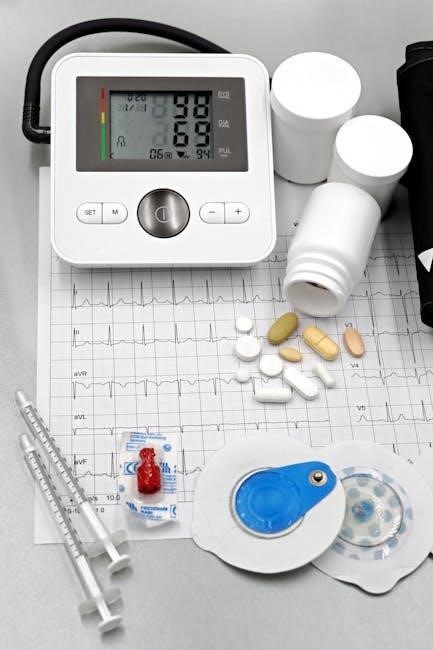
Advance care planning is integral to patient-centered medication management, particularly for individuals with complex palliative health conditions like dementia.
Early recognition of conditions facilitates meaningful discussions about treatment preferences, ensuring medication aligns with patient values and goals for end-of-life care.
Effective planning improves symptom management, especially for pain, and promotes a dignified and comfortable experience, optimizing quality of life within the community.
XVI. PCSK9 Inhibitors and Access to Medications
PCSK9 inhibitors offer significant benefits in lowering cholesterol and reducing heart disease risk, yet access remains a critical challenge within community medication management.
Addressing barriers to access, including financial constraints and potential limitations in insurance coverage, is crucial for equitable healthcare delivery.
Proactive strategies and resources are needed to ensure patients who would benefit from these medications can readily obtain them, improving overall cardiovascular health outcomes.

XVII. Long-Term Care and Medication Safety
Medication safety in long-term care settings is paramount, demanding robust guiding principles for effective medication management within the community.
Organizations require clear guidelines to provide safe medication and treatment, encompassing accurate medication lists, reconciliation processes, and diligent monitoring for adverse effects.
Prioritizing resident well-being necessitates adherence to legislative requirements and fostering professional partnerships to optimize drug utilization and minimize risks.
XVIII. Home Care Medication Management
Guiding principles for medication management in home care prioritize patient safety and adherence within the community setting.
Effective strategies involve clear communication of medicine changes, comprehensive treatment plans, and diligent monitoring for adverse drug reactions.
Adhering to legislative requirements and fostering collaboration between healthcare providers ensures responsible medication use, supporting patient well-being and independence at home.
XIX. Quality Improvement Initiatives
Guiding principles drive continuous quality improvement in medication management within the community, focusing on safe and effective treatment.
Initiatives prioritize accurate medication lists, reconciliation at care transitions, and proactive identification of potential risks associated with drugs.
Implementing digital health platforms and adhering to national guidelines enhances adherence, minimizes errors, and optimizes patient outcomes, fostering a culture of safety.
XX. Future Trends in Community Medication Management
Guiding principles will shape future medication management, emphasizing proactive, patient-centered care within the community.
Expanding digital health platforms, like Hello Heart, and AI-driven tools will personalize treatment and improve adherence to drugs.
Focus will increase on addressing access barriers, particularly for vital medications like PCSK9 inhibitors, and integrating advance care planning for complex needs.